
Solar Panel Installation in Ballina
Solar Designed Around Coastal Conditions
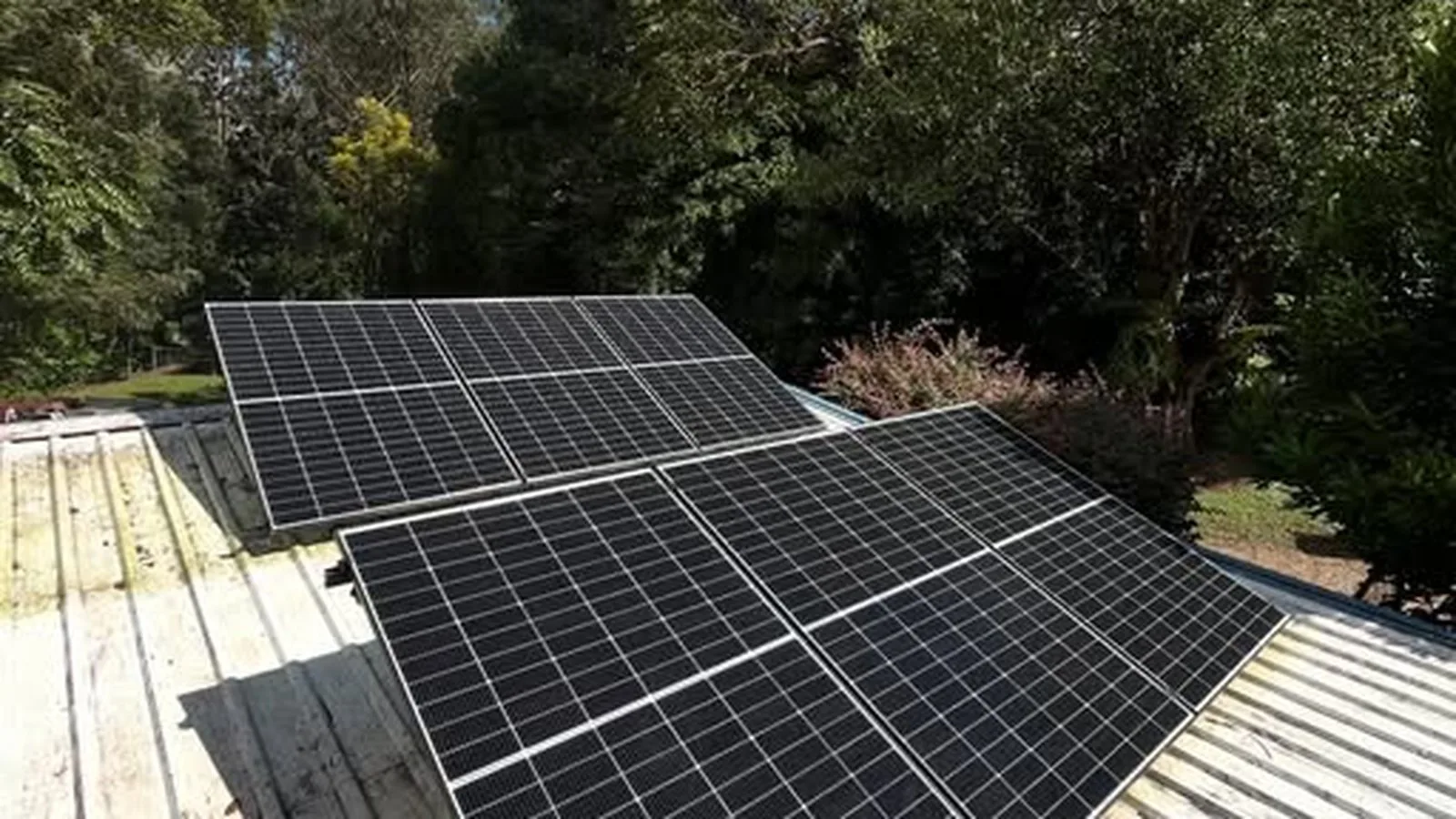
Salt air is hard on hardware. Roof-mounted racking, cable glands and isolator housings all corrode faster near the coast than they do inland, which is why component selection matters more here than the headline panel wattage. Elec One handles solar panel installation in Ballina with that in mind, using marine-appropriate mounting hardware and keeping penetrations properly sealed. Beyond the hardware, sizing still comes back to consumption. We pull your usage history, look at roof orientation and shading, then design around what you actually draw during daylight. We also inspect and repair systems we didn't install, using thermal imaging to find hot cells and failed junction boxes. If usage sits mostly after dark, storage is the better spend. Call 0468 778 248.
What Goes Into the Design
The design work happens before anyone gets on the roof.
Consumption data comes first, taken from recent bills or a monitored interval read. Daytime usage determines how much of the system's output gets used rather than exported.
Roof orientation and pitch set the generation curve across the day. North-facing arrays maximise total output, while a split east and west layout spreads generation toward morning and evening loads.
Shading is assessed across the seasons, not just on the day we visit. Where it can't be avoided, optimisers or microinverters stop shaded panels dragging down the rest of the string.
Corrosion-resistant mounting hardware and properly rated enclosures are specified for coastal sites. The extra cost at install is minor against replacing rusted racking a few years in.
Getting the Most From an Export-Limited Grid
Network connection rules can cap how much a system is allowed to export, and in some areas the limit is lower than people expect. That doesn't waste a larger system, but it does change how it should be designed. Shifting loads into daylight hours, running hot water on a timer through the middle of the day, or adding storage all convert generation into savings that an export cap would otherwise absorb. We check the applicable connection conditions before finalising a design, so the system you pay for is the system you can actually run.
Frequently asked questions
The panels themselves are sealed and hold up well, but the mounting hardware, fixings and enclosures are where coastal corrosion shows up first. Specifying marine-grade components and stainless fixings at installation avoids the problem rather than managing it later.
As a rough guide each panel takes up around two square metres, so a typical residential system needs a usable, unshaded roof area in the range of 15 to 40 square metres. Usable area matters more than total roof size, since vents, aerials and skylights break up the space.
Damaged panel junction boxes, a failed isolator or a fault inside the inverter are common causes, and none of them are visible from the ground. Thermal imaging identifies hot cells and failing connections quickly, which is why it's used on inspections rather than relying on output figures alone.