
Solar Batteries in Ballina
Turning Daytime Generation Into Evening Power
A typical household exports most of what its panels make and buys it back at several times the rate after dark. Storage closes that gap. Elec One installs solar batteries in Ballina for homes and small commercial sites, sizing each system around evening consumption rather than a headline capacity figure. Where an existing inverter is healthy, AC coupling a battery alongside it keeps that inverter in service, and blackout protection can be included in the same job. Properties on the end of a distribution line usually want that protection, and it has to be wired in at installation. If your array is undersized to begin with, we'll look at additional panels before storage. Call 0468 778 248.
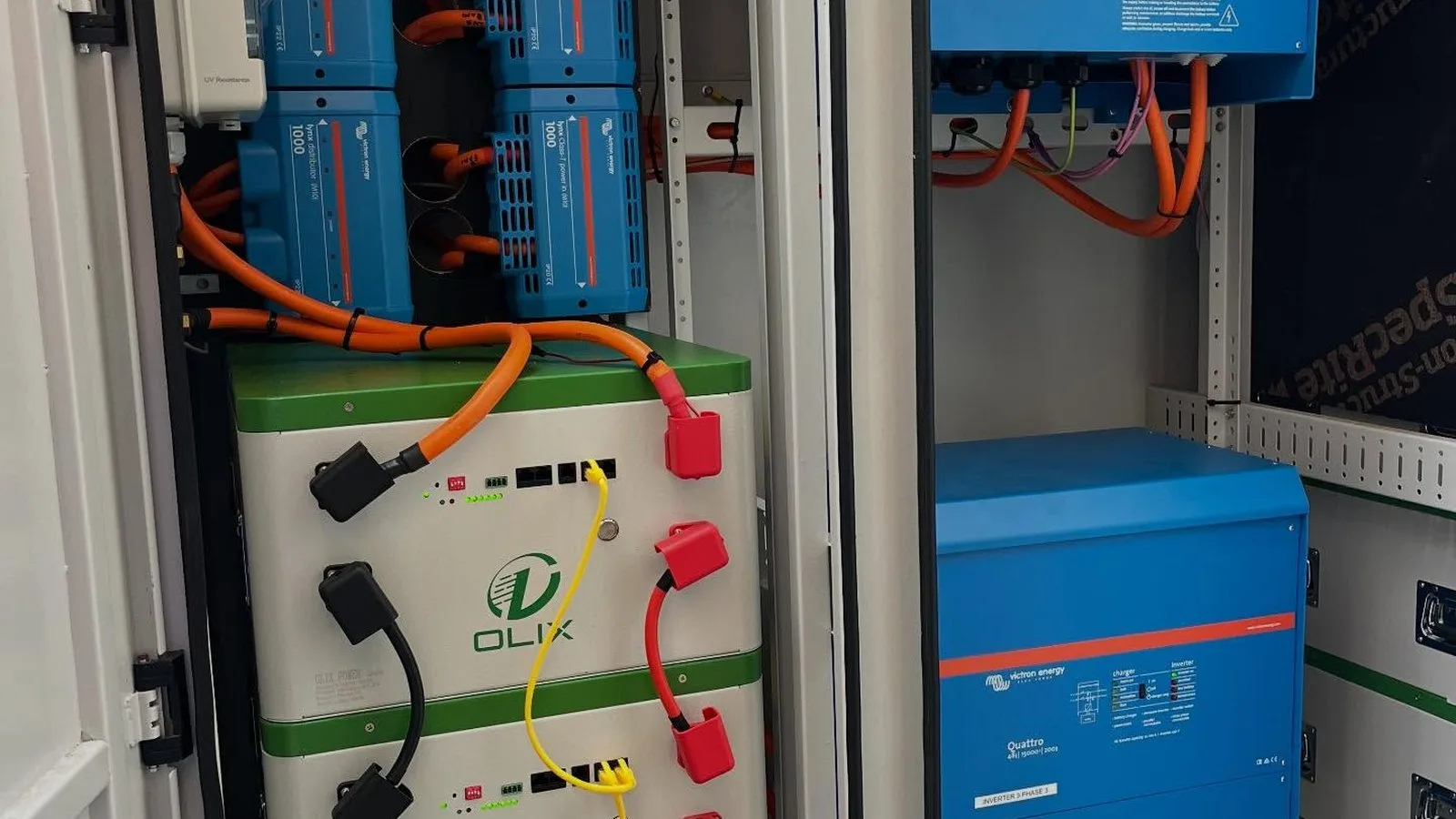
How Storage Gets Specified
Battery sizing is an arithmetic problem before it's a shopping decision.
Evening load is the number that matters, measured from sunset through to the morning. A battery sized to that figure cycles fully each day, which is what warranty terms are usually written around.
The existing inverter determines whether we AC couple a battery alongside it or replace it with a hybrid unit. Age and warranty status on the current inverter usually settle that question.
Backup circuits are chosen deliberately rather than covering the whole property. Fridge, lighting, internet and a few outlets will run far longer on the same storage than an unrestricted house will.
Switchboard capacity and cable runs are checked before anything is ordered. Storage adds a substantial load path, and a board already at capacity has to be addressed first.
Backup Power and Grid Reliability
Outages in this region are usually weather driven, and they don't always resolve quickly. A grid-connected battery without backup wiring shuts down along with the grid, which surprises people who assumed storage meant independence. Backup functionality has to be specified and wired at installation. It means a changeover arrangement and a nominated set of essential circuits, and it adds cost. Whether that's worth it depends on how often your supply drops and what happens at your place when it does. We'll give you a straight answer rather than selling the feature by default.
Frequently asked questions
Most households land somewhere between 10 and 15 kilowatt hours, though that range is wide because habits vary enormously. The figure to work from is evening and overnight consumption, not total daily use.
Many systems can, and on a time-of-use tariff that allows charging during cheaper off-peak periods. Whether it's worthwhile depends on the gap between your off-peak and peak rates.
AC coupling adds a battery and its own inverter alongside an existing solar inverter, rather than replacing it. It suits systems where the current inverter is healthy and still under warranty, since the original equipment stays in service.