
Solar Batteries in Alstonville
Storage, Hybrid Systems and Going Off-Grid
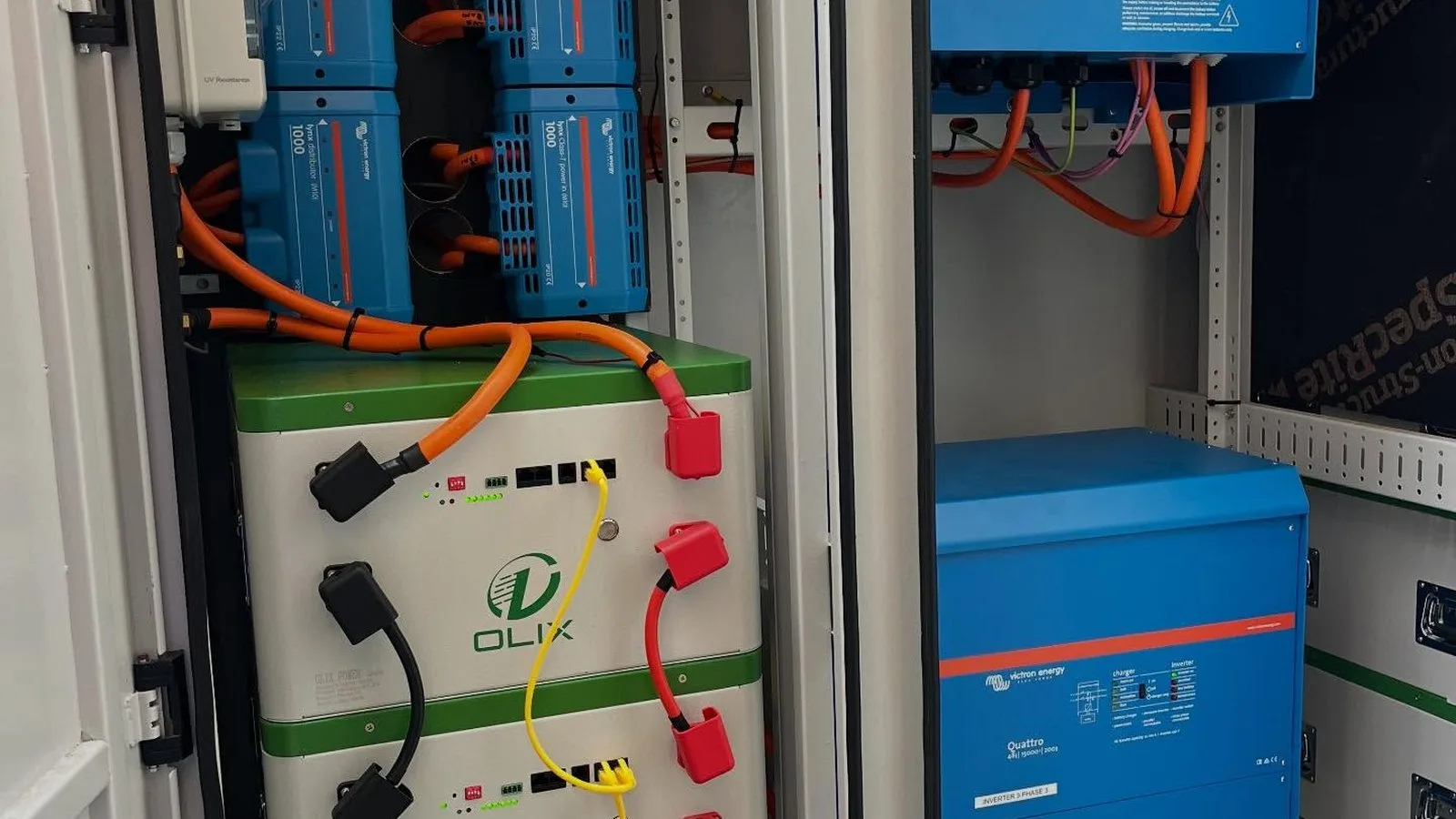
Properties at the end of a rural line lose supply more often and get it back later than those in town. Storage changes what that means for you. Elec One installs solar batteries in Alstonville across the full range, from a modest battery covering evening load through to fully off-grid systems built on Victron and Fronius equipment. We've commissioned a 30kW array paired with 225kWh of storage that ran three months of real-world testing before the property disconnected from the grid entirely. The sizing approach differs by system type. A grid-connected battery is sized to a night, while off-grid is sized to a stretch of overcast weather. Existing solar capacity determines what's realistic. Call 0468 778 248.
Specifying a System That Suits the Site
The right answer depends on how much independence from the grid you actually want.
Grid-connected storage covers the evening and reduces what you buy back after dark. It's the simplest option and the least expensive to install.
Hybrid systems add backup circuits so essential loads keep running through an outage. The circuits to be backed up are chosen deliberately, because covering everything shortens the run time dramatically.
Off-grid systems are sized around days of autonomy and a worst-case weather run. Generator integration is usually part of the design rather than an admission of failure.
Existing off-grid systems need servicing as well as installing. We repaired and upgraded a number of them after Cyclone Alfred brought trees down across arrays throughout the region.
What Off-Grid Actually Requires
Going off-grid is a bigger commitment than adding storage, and it's worth being clear about that before starting. The system has to cover your worst week, not your average one, which means generation, storage and usually a generator all sized with margin. Loads get reviewed too, because appliances that are trivial on grid supply can dominate an off-grid budget. Electric hot water and resistive heating are the usual candidates for change. Done properly it works reliably, and we've handed over systems that have since run with no grid connection at all. Done on optimistic numbers, it means running a generator far more often than anyone intended.
Frequently asked questions
Designs commonly target two to three days of storage so a run of overcast weather doesn't empty the bank. A generator covers the extremes rather than the system being sized for every possible scenario.
It's technically possible where generation and storage are sized adequately and the loads have been reviewed. A period of real-world testing before disconnecting is worthwhile, since it shows how the system behaves across actual weather rather than modelled figures.
State of charge falls as generation drops below consumption, which is exactly what the generator is there for. Well-designed systems start the generator automatically at a set threshold rather than waiting for the bank to run flat.